




About the Department
Biography
With the goal of promoting the quality and quantity of research and technology in the health sector and with an emphasis on adherence to canonical, legal, and ethical principles, the Research Ethics Working Group of Shahrekord University of Medical Sciences was registered in the National Ethics System for Biotechnology Research in 2017. Following approval from the Ministerial Committee on Research Ethics, a 12-member group began working to improve university research ethics, undertaking duties assigned by the Ministerial Committee.
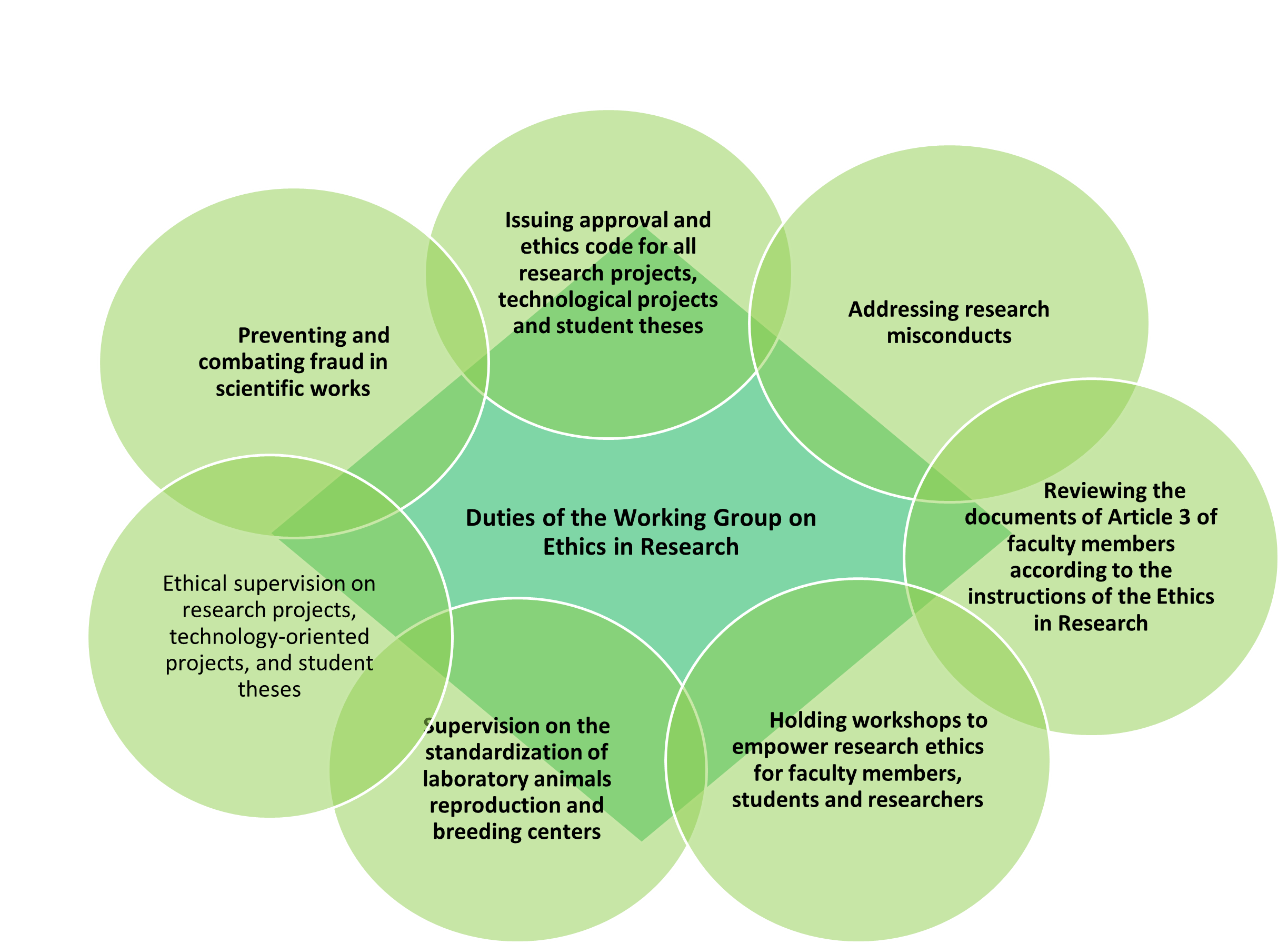
Issuing approval and ethics code for all research projects, technological projects and student theses
The Working Group on Ethics in Research and its subcommittees, after careful review in accordance with research ethics standards, proceed with issuing approvals and ethics IDs for research projects, theses, and case reports. Furthermore, the Medical Faculty’s Ethics Committee and the Committee for Work with Laboratory Animals are also active in reviewing and issuing ethics IDs."
Ethical supervision on research projects, Technology-Oriented projects, and student theses
The Research Ethics Work Team, while respecting the principles of ethics in research and technology, has a specific mechanism to monitor compliance with ethical guidelines and codes and preserve human dignity.
The prioritization of student proposals and theses for ethical supervision is as follows:
1. Clinical trials
2. Knowledge-Based and Technology-Oriented projects
3. Animal studies
4. Other subjects in the field of medicine, and 20% of supervision reports are submitted to the Ministerial Work Team for evaluation annually
Preventing and combating fraud in scientific works and dealing with research violations
According to the instructions of the Ministerial Research Ethics Work Team, addressing research violations is one of the tasks of the Work Team that cases of research violations and retracted articles in reputable scientific journals have been examined by the Work Team during numerous meetings.
An educational pamphlet was prepared and made available to the faculty members, students and researchers of the University containing the samples of research misconducts to familiarize them.
Holding workshops to empower research ethics
Laying the grounds and providing equal educational opportunities for professors, students and researchers is one of the important measures for improving the level of research ethics in the University. This is achieved by holding national educational webinars and face-to-face workshops on subjects such as: ethics in research with an approach to ethics in publishing scientific works, ethics in knowledge-based and technological studies, the principles and standards of ethics in clinical trials, and the ethical principles and standards in working with laboratory animals.
Standardization of laboratory animals reproduction and breeding centers
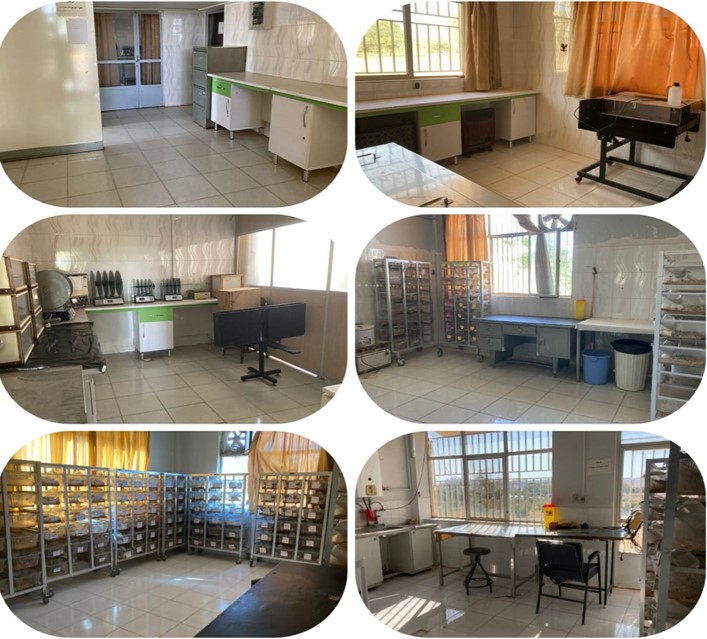
Standardization of reproduction and breeding centers of laboratory animals according to the codes of ethics in working with laboratory animals is one of the tasks of the Work Team. To achieve this goal, annual inspections are conducted by the University Research Ethics Committee and the Ethics Committee for Laboratory Animal. Following these visits, the facility building improvements as well as the provision of required equipment and resources are carried out. In recent years, significant progress has been made in this area, and the related reports have been submitted to the Ministerial Committee on Research Ethics.
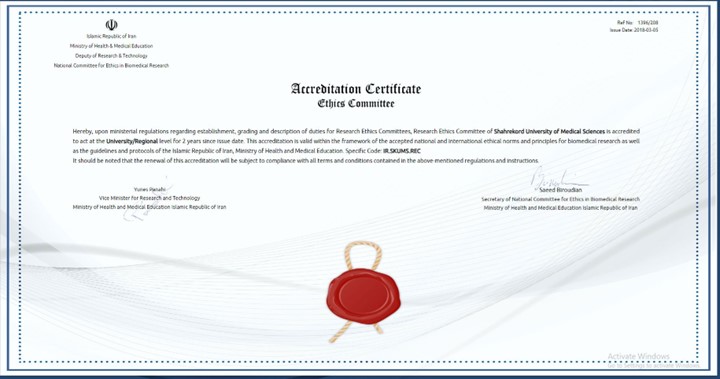
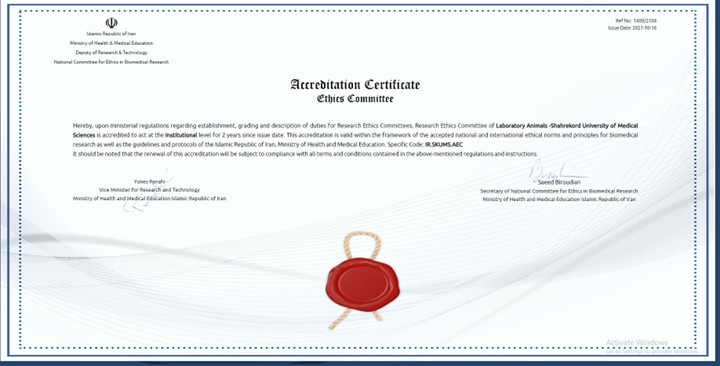
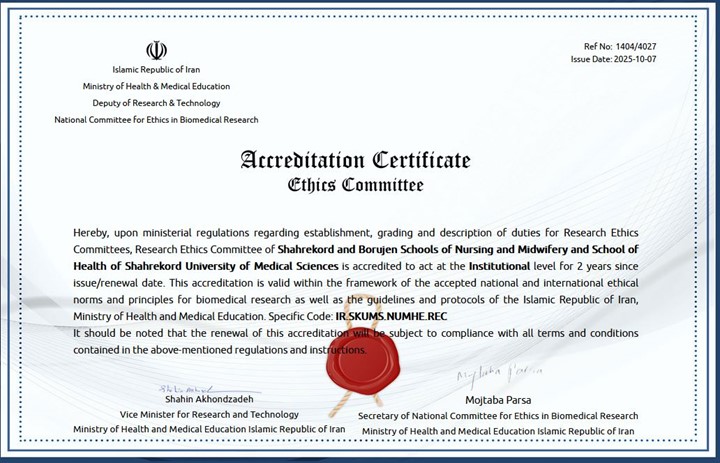
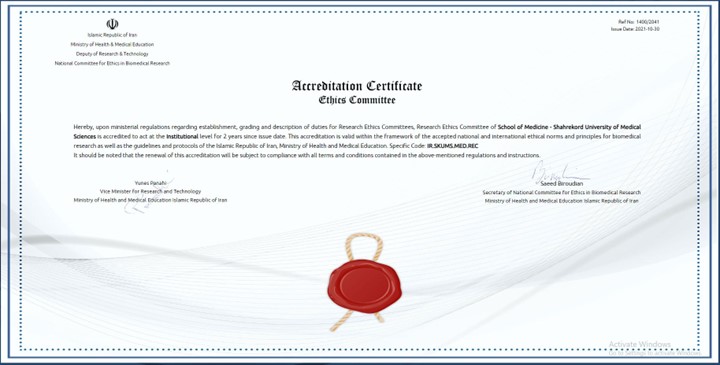
The working group consists of 3 subsidiary committees: the Medical School Research Ethics Committee, the Research Ethics Committees of the Schools of Nursing and Midwifery in Shahrekord and Boroujen and the School of Public Health, and the Laboratory Animal Ethics Committee. These committees received accreditation from the Ministerial Committee on Research Ethics and subsequently commenced their activities. Members related to each of the sub-committees have been approved by the Ministry in accordance with the guidelines for the formation and operation of ethics working groups and committees in research, and they participate in the relevant meetings.
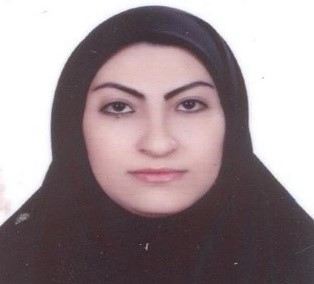
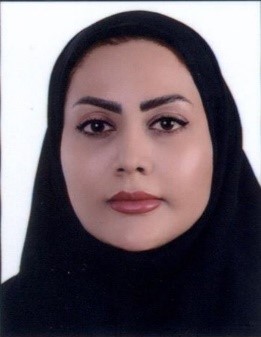
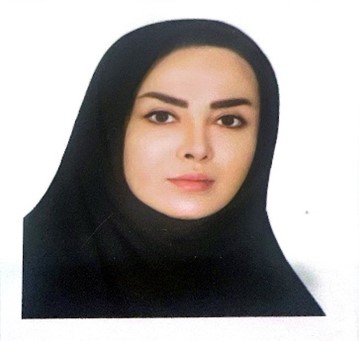
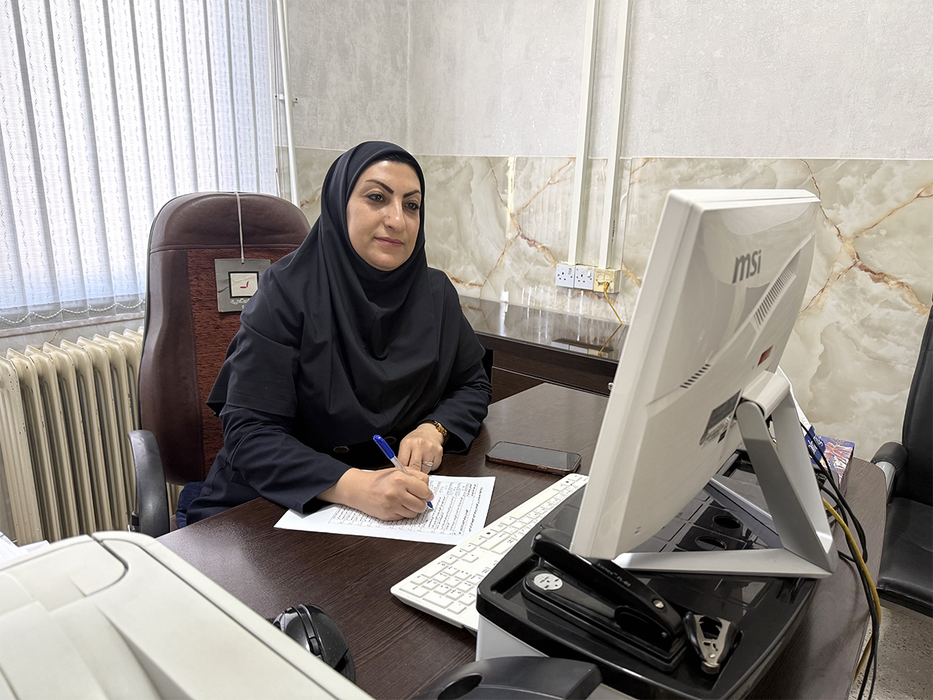
Members of the Research Ethics Committee


Kashani Blvd, Shahrekord, Iran